Thinking about building a new home in Spring Creek? You are not just picking a floor plan and waiting for the keys. In this market, the lot, utilities, association approvals, permits, and finish selections all play a big role in how smooth your build will feel. If you understand those steps early, you can make better decisions and avoid surprises later. Let’s dive in.
Why Spring Creek building is unique
Spring Creek offers a rural setting, but it also comes with neighborhood-level oversight through the Spring Creek Association. That means your new home plans may need more than county review alone. If you are building here, it helps to think about association requirements and county requirements at the same time.
The Spring Creek Association says new owners receive a homeowner packet and amenity PIN. It also notes that the Committee of Architecture reviews plans for structural alterations, additions, fences, ground-mounted solar, and antennas before county submission. For many buyers, that makes early planning just as important as choosing the home itself.
There are also ongoing ownership costs to account for. As of January 1, 2026, SCA assessments are $86 per month per lot, or $1,032 per year, and new owners pay a $200 initial assessment and title-transfer charge. That cost should be part of your budget from the start, especially if you are comparing a new build with resale options.
Start with the lot, not just the layout
It is easy to fall in love with a plan online, but in Spring Creek, the lot deserves equal attention. Elko County permit paperwork asks for details such as the assessor parcel number, subdivision or location, existing utilities, contractor information, contractor license numbers, and association approval. It may also trigger added approvals tied to fire, health, or water and sewer fees.
That is why lot due diligence should happen before you commit to a build contract. If you are buying land first, confirm what utilities are available and what additional approvals could apply. A great floor plan on the wrong lot can slow your project or change your budget.
For raw land or newly created parcels, water planning matters even more. The Spring Creek/Lamoille Master Plan ties parcel creation to water-resource requirements and water-right rules. In practical terms, you want to verify water availability and parcel-specific utility constraints early, not after you are already under contract.
Check utility service early
Spring Creek utility planning deserves its own conversation. The community is served by Great Basin Water, a private water and wastewater utility. According to the Public Utilities Commission of Nevada, investor-owned water and wastewater utilities are fully regulated for rates, service quality, and service territories.
For you as a buyer, the big takeaway is simple: check utility service when you evaluate a lot. Do not assume every parcel will have the same utility setup, timing, or cost. A quick utility check can save time, money, and stress later in the process.
Know the HOA and COA process
In Spring Creek, association approval is not something to circle back to at the end. The Spring Creek Association’s homeowner guidance says the Committee of Architecture approval is expected before Elko County building submission for structural work. Its applications page also says a building application is required for structures, fences, additions, ground-mounted solar, and antennas.
That means you should review HOA expectations and county requirements in parallel. If your plans change midstream, that may affect both tracks. The earlier you understand the process, the easier it is to keep your timeline moving.
What to verify before signing
Before you move forward on a lot or a build, make sure you have answers to these basic questions:
- Is the parcel identified with a valid assessor parcel number?
- What utilities are currently available to the lot?
- Will water, sewer, or other utility-related fees apply?
- Does the Spring Creek Association require COA approval for your planned home or improvements?
- Could extra approvals be needed from county fire, state fire, or health agencies?
- Is the lot in a subdivision with additional requirements or restrictions?
Compare floor plans carefully
Spring Creek buyers often compare plans with different features, not just different square footage. Local examples marketed by Bailey Homes include options with single-level layouts, bonus rooms, basements, and three-car garages. That kind of variety can be helpful when you are deciding how you want the home to function day to day.
The key is to match the plan to your lifestyle and your lot. A larger garage, bonus room, or basement may be appealing, but the lot and budget still need to support those choices. Looking at plans side by side can help you separate must-haves from nice-to-haves.
Model homes are examples, not guarantees
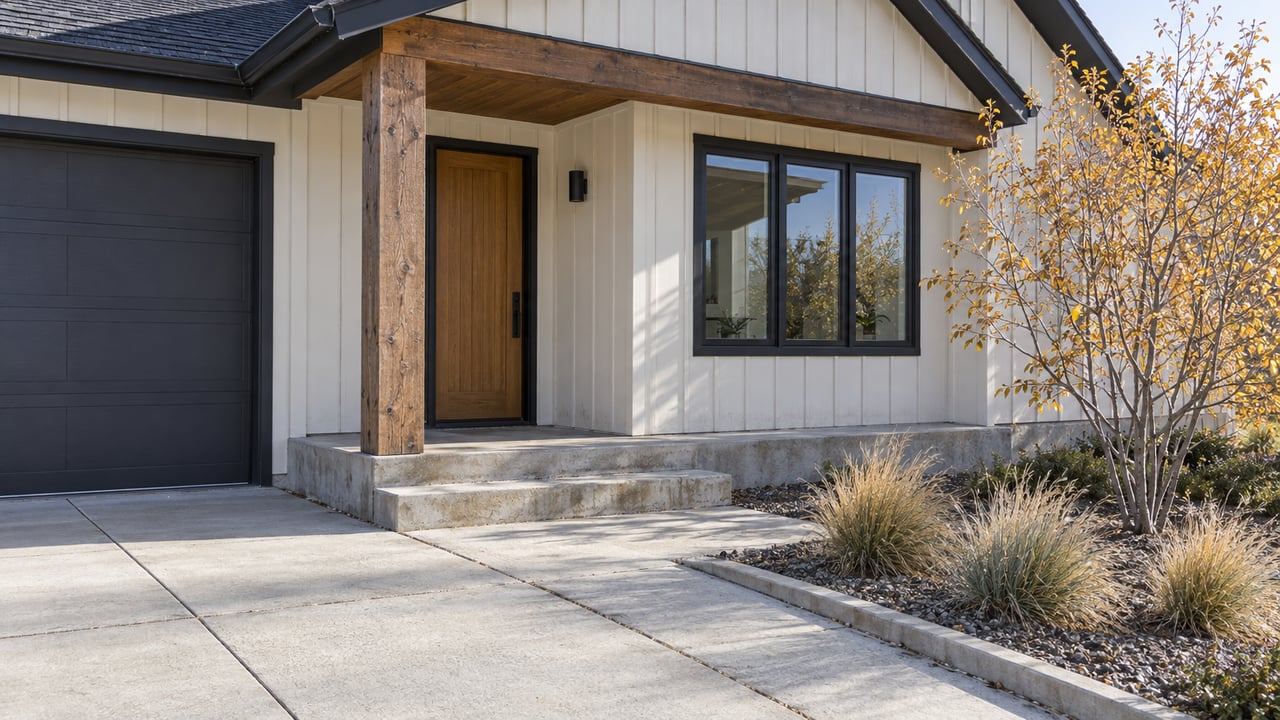
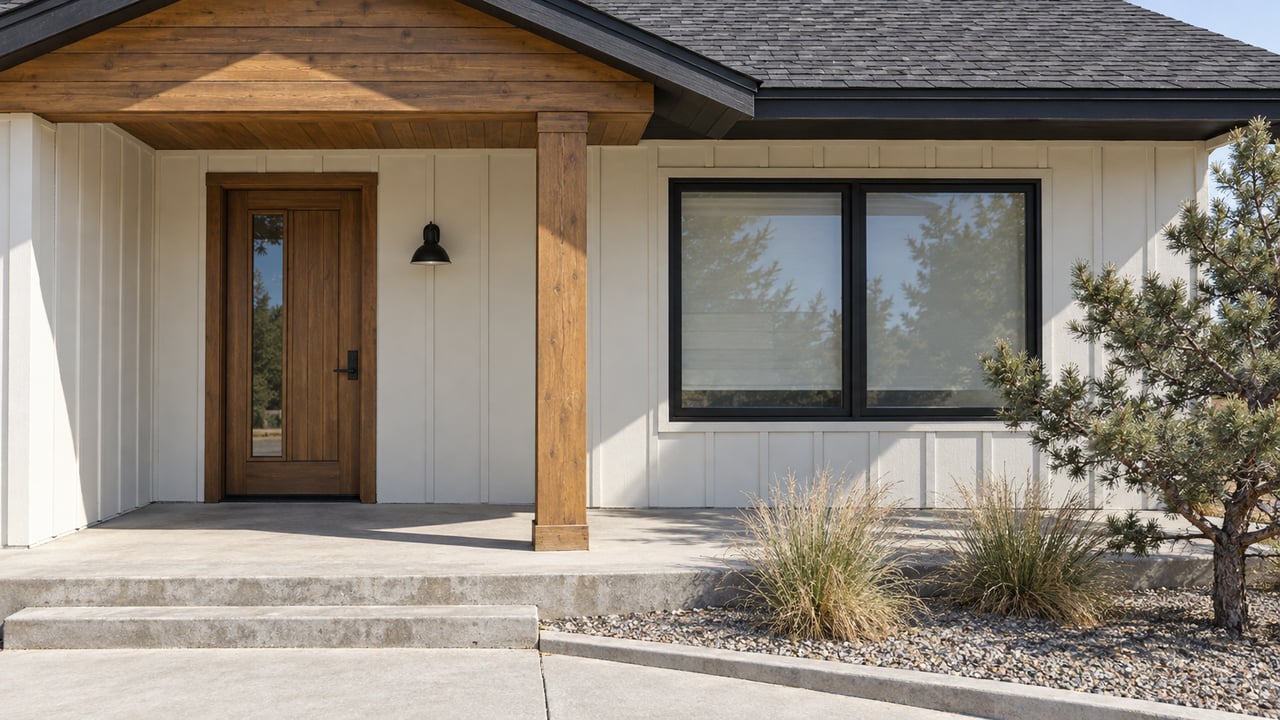
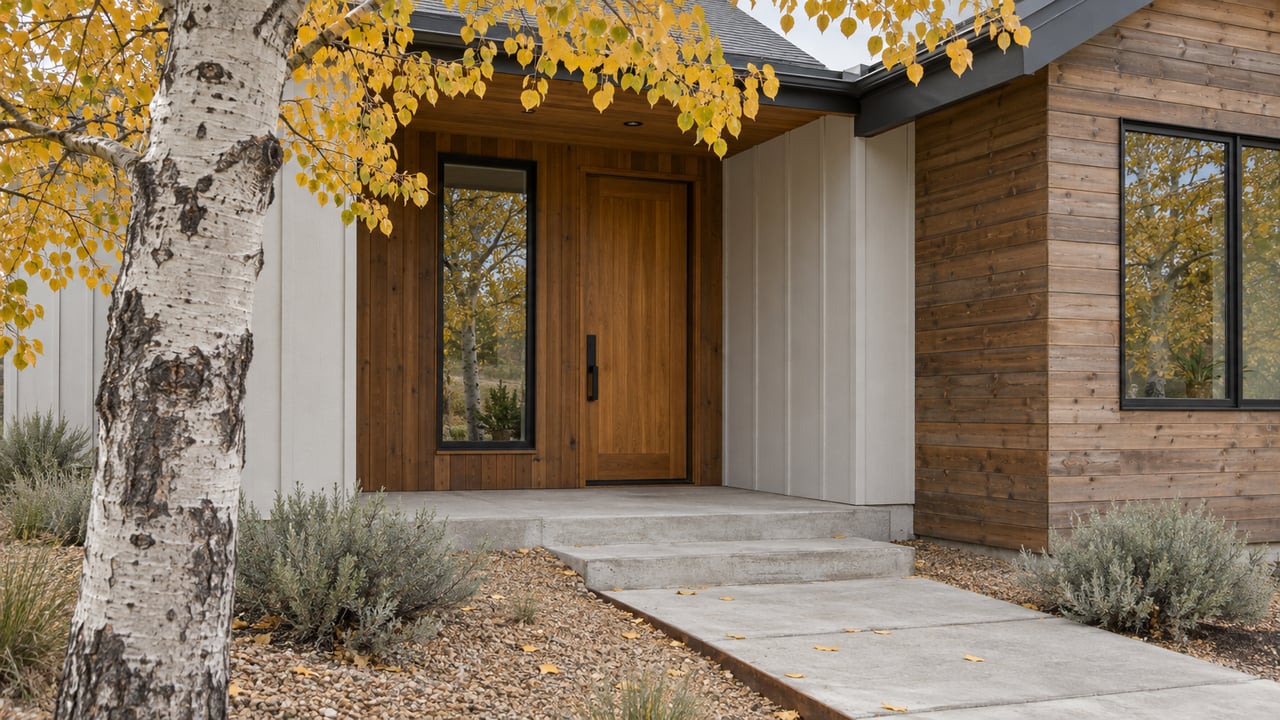
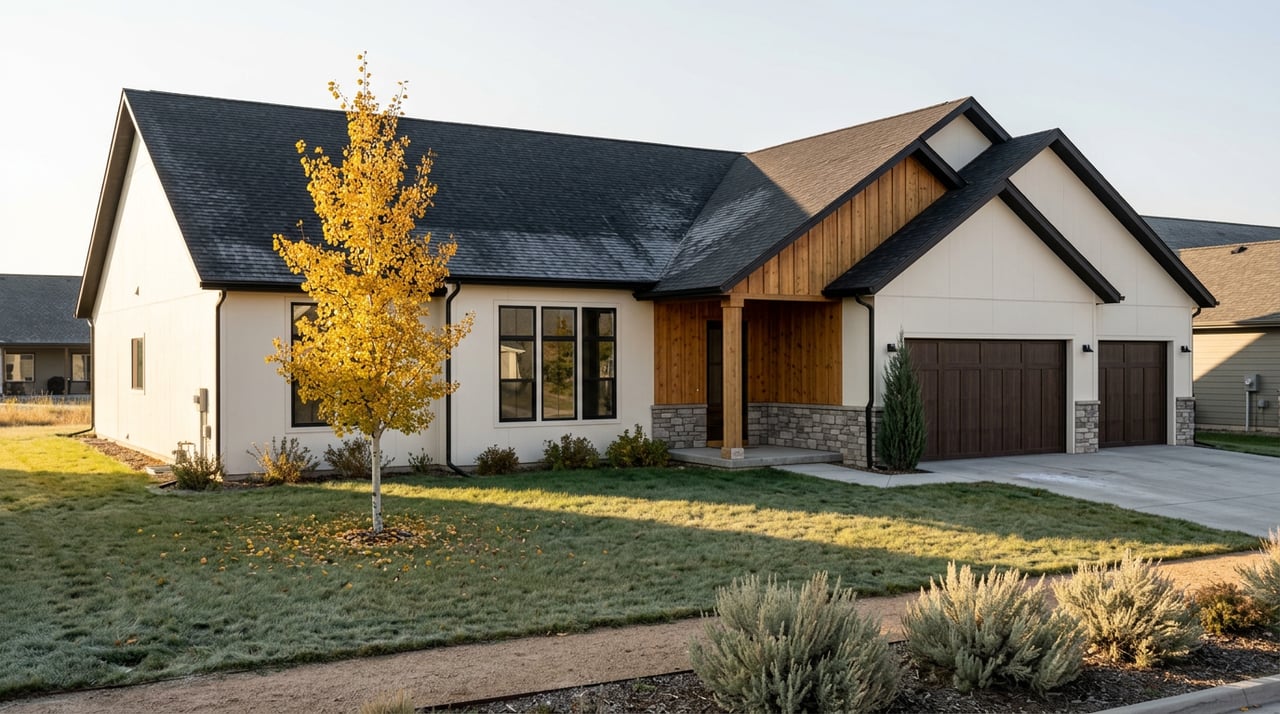
This is one of the most important new-construction lessons for buyers. Bailey Homes notes that some homes shown online are under construction and that photos may feature previously built models for reference. It also says the images shown may not represent standard finishes.
In other words, the specification sheet matters more than the photos. If you want to know what is included in the base price, ask for the written specs. If something is upgraded in a model or photo, make sure you understand whether it is standard or an added cost.
Understand pricing and upgrades
New construction can feel more predictable than resale, but only if you know what you are actually buying. The base price may cover the structure and standard finish package, while design changes, premium materials, or extra features may increase the final price. That is why written details matter so much.
If you are reviewing a plan, ask for a clear breakdown of included features and possible upgrades. This is especially helpful for finishes, garages, bonus spaces, and any lot-specific costs. A little clarity upfront can prevent frustration later.
Ask these finish questions
When reviewing a new home package, consider asking:
- What finishes are standard?
- Which items shown in photos are upgrades?
- Are certain layouts or elevations priced differently?
- If a product becomes unavailable, how are substitutions handled?
- What happens if you request a change after construction has started?
Prepare for permits and inspections
Once your plans are ready, Elko County’s Building and Safety Department handles administration, plan review, and field inspections. The county says a building permit typically requires a permit application, owner-builder affidavit, two hard copies of plans, two hard copies of the plot plan with setbacks, and truss calculations if applicable. If the property is in an HOA with an architectural committee, HOA approval is also required.
That list shows why preparation matters. Missing paperwork or delayed approvals can slow the process before work even begins. Good organization early on can help your project move more smoothly from paper to construction.
Inspection stages to expect
After construction begins, inspections happen in steps. Elko County’s inspection checklist includes checkpoints such as footing, foundation, framing, rough-in, insulation, drywall, plumbing and electrical finals, and final occupancy-related steps. Inspection requests must be scheduled 24 hours in advance by 4:00 p.m., with inspections performed the next working day.
For buyers, this is a helpful reminder that a new build moves in phases. Progress may feel fast at times and slower at others, especially when a home is waiting on the next inspection or approval. That is normal in the build process.
Keep permits from expiring
Timing matters once plans are approved. Elko County says an application can expire if no permit is issued within 180 days. It also says a permit can become void if work does not begin within 180 days or if work is abandoned for 180 days.
That does not mean every project will run into trouble, but it does mean momentum matters. Staying on top of approvals, paperwork, and scheduling helps keep your build active and on track.
Know your financing options
Financing a new home build can look different from buying a completed resale home. The Consumer Financial Protection Bureau explains that construction loans are usually short-term loans funded in advances as work progresses. It also notes that payments may begin six to 24 months after the loan is made.
You may also run into builder deposits or earnest money requirements for homes that are not yet built. Some builders have an associated mortgage lender, but buyers are not required to use that lender. Comparing loan terms before you commit can help you make a more informed decision.
Get ready for the final steps
As your new home nears completion, the process shifts from construction to closing. You should expect a final walkthrough, homeowners insurance, title and settlement work, and a Closing Disclosure at least three business days before closing. After closing, the deed and mortgage documents are recorded with the county office.
The final walkthrough is your chance to confirm the home matches the agreed specifications and to note any incomplete or correction items. This is also a good time to review finishes, fixtures, and the overall condition carefully. A little attention here can make move-in day feel much more confident.
Final walkthrough checklist
Before closing, make time to review:
- The finishes and features included in your agreement
- Any agreed change orders or selections
- Major systems and fixtures for visible issues
- Completion of remaining touch-up items
- Your Closing Disclosure details before signing
Building a new home in Spring Creek can be an exciting way to create a space that fits your needs, priorities, and style. The key is knowing that this market has its own rhythm, especially when it comes to lot research, utility planning, association review, permits, and final selections. When you go in with a clear plan, you can enjoy the process with fewer surprises.
If you are exploring lots, comparing floor plans, or trying to understand the build-to-close process in Spring Creek, Carla Bailey can help you navigate the details with local insight and builder perspective.
FAQs
What should you check before buying a lot in Spring Creek?
- You should verify the parcel number, utility availability, possible water or sewer fees, association requirements, and whether extra approvals may be needed before building.
Does a new home in Spring Creek need HOA approval before county permits?
- Yes. Spring Creek Association guidance says Committee of Architecture approval is expected before Elko County building submission for structural work.
What is included in a Spring Creek new home base price?
- That depends on the builder and the written specifications. Photos and model homes may show features that are not standard, so the spec sheet should guide your expectations.
How do inspections work for a new home build in Elko County?
- Inspections are staged through construction and can include footing, foundation, framing, rough-in, insulation, drywall, final plumbing and electrical, and final occupancy-related steps.
Can you choose your own lender for a Spring Creek new build?
- Yes. Even if a builder has an associated lender, buyers are not required to use that lender and can compare loan options before committing.
What should you review during the final walkthrough for a new home?
- You should review agreed finishes, completed selections, visible condition issues, remaining touch-up items, and the Closing Disclosure details before closing.