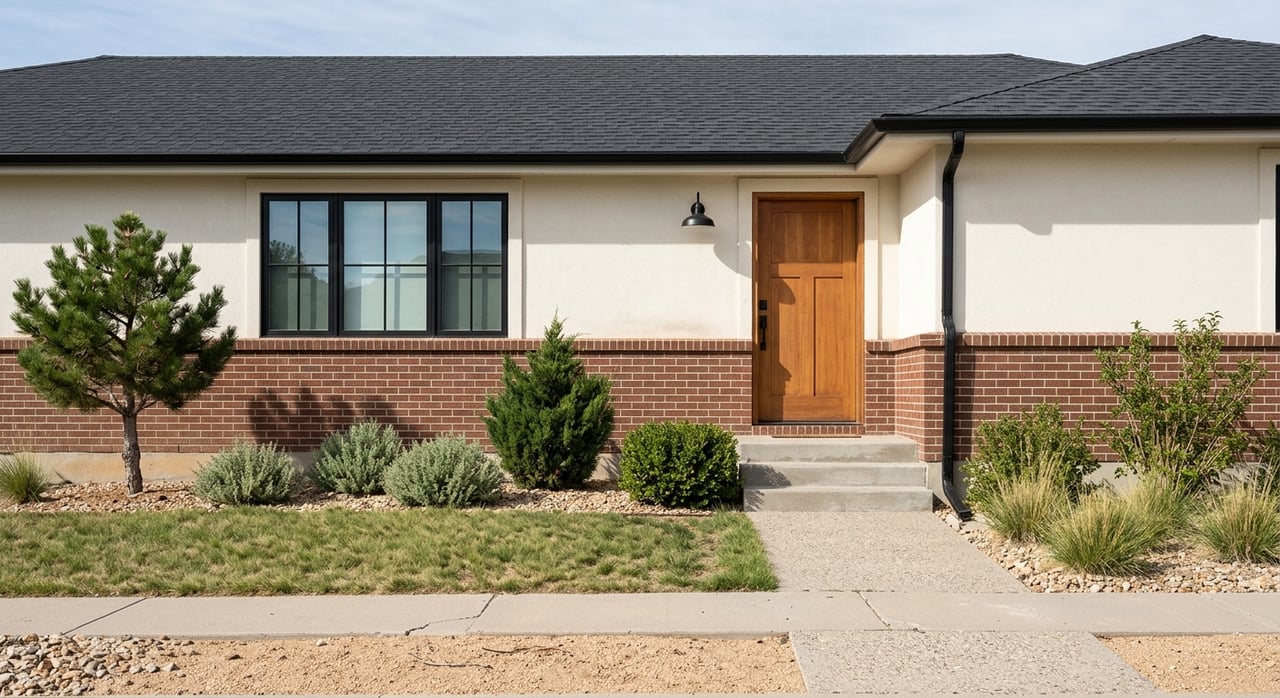
If you are weighing new construction or resale in Elko, you are not just choosing a house style. You are choosing a timeline, a maintenance path, and a buying experience that can feel very different once snow, inspections, permits, and disclosures enter the picture. The good news is that when you understand how each option works in Elko, you can make a decision that fits your budget, priorities, and day-to-day life. Let’s dive in.
Why this choice matters in Elko
Elko’s climate plays a real role in how you evaluate a home. NOAA normals for Elko Regional Airport show 9.99 inches of annual precipitation and 41.2 inches of annual snowfall, with average snowfall above 10 inches in both January and December. That means roof condition, heating performance, drainage, and winter access deserve close attention whether you buy new or resale.
This is also a market where process matters. A new home in the City of Elko moves through permits, inspections, and final approval, and a certificate of occupancy is what shows the home is compliant and ready for occupancy. On the resale side, Nevada requires a residential disclosure form before conveyance, and that form does not act as a warranty.
In simple terms, new construction often offers more predictability in condition, while resale often offers more speed and more choice in existing locations. In Elko, that tradeoff stands out even more because weather and local rules can affect how a home performs and how a transaction moves.
What new construction offers
More control over finishes
One of the biggest reasons buyers choose new construction is the chance to personalize the home. Depending on the builder and stage of construction, you may be able to select finishes, materials, or parts of the layout. That can be especially appealing if you want a home that feels move-in ready from day one.
At the same time, customization is not unlimited. Selections can affect price, build time, and even lender documentation, so it helps to understand your options early. If you are comparing upgrades, the goal is to balance the features you want with the budget you want to protect.
Lower early repair uncertainty
New construction often comes with a builder warranty, which can give you more peace of mind during the first year or longer. FTC guidance notes that builder warranties commonly cover one year for workmanship and materials, two years for systems like HVAC, plumbing, and electrical, and sometimes up to 10 years for major structural defects. Nevada also requires a written builder’s warranty for a new single-family residence that is valid for at least one year from completion of the written punch list.
That does not mean a new home will be issue-free. Most new homes still go through punch-list items and adjustment periods during the first year. The key benefit is that the warranty framework gives you a defined process for addressing covered issues.
A build-to-close timeline
New construction usually requires more patience than resale. Nationally, the average time to complete a single-family home was 10.1 months in 2023, and many homes begin construction in the same month the permit is issued or within two months. In Elko, city plan review, inspections, and occupancy approval add another local layer to the process.
That means your purchase may feel more like a project timeline than a traditional quick closing. If you need to line up the sale of your current home, a lease ending, or a relocation plan, timing becomes an important part of the conversation.
What to watch with new construction
Deposits and financing conversations
If the home is not yet built, a builder may ask for an upfront builder deposit. It is important to review deposit terms carefully and understand when funds may or may not be refundable. CFPB also notes that you are not required to use a builder’s affiliated lender, so it is smart to compare financing options early.
This is where planning matters. Your loan strategy, deposit terms, and design selections can all affect the path to closing. The earlier you get clarity, the easier it is to avoid surprises later.
Permits, inspections, and occupancy approval
In the City of Elko, a new home is not simply finished when construction crews leave. The process runs through the city permit system, and the certificate of occupancy is the document that signals the home is suitable for occupancy. That final approval matters because it is tied to the home being ready to close and occupy.
For buyers, this means construction progress and legal readiness are not always the same thing. A home can look nearly complete, but final occupancy still depends on inspections and approval. Knowing that helps set realistic expectations.
Warranty details matter
A builder warranty can be a major advantage, but you should read the terms carefully. FTC guidance advises buyers to file claims in writing and pay attention to how disputes are handled, since some warranties use mediation or arbitration. In other words, the value of a warranty depends not just on what is covered, but also on how you make a claim.
If you are comparing builders or new-home options, warranty language deserves the same attention as floor plans and finishes. It is part of the full cost-and-risk picture.
What resale offers
Faster move-in potential
The biggest practical advantage of resale is that the home already exists. Instead of waiting through a construction cycle, your timeline is usually driven by the offer, inspection, appraisal, underwriting, and closing. That can make resale a better fit if you want or need to move on a shorter schedule.
That said, faster does not always mean simple. The condition of the home, negotiations after inspection, and lender timing can still shape how quickly you close. Still, compared with new construction, resale often offers a more direct path to occupancy.
More visibility into the actual home
With resale, you can inspect the home in its current condition before closing. CFPB notes that buyers can make offers contingent on a satisfactory inspection, cancel without penalty if the inspection is unsatisfactory, and negotiate repairs or credits when defects are found. That gives you a chance to evaluate the property based on what is really there, not just on plans or renderings.
This can be a big advantage if you prefer making decisions from a complete physical picture. You can assess room flow, lot layout, storage, driveway access, and how the home feels in real time.
More variety in established inventory
Resale homes can give you access to a wider range of layouts, ages, lot types, and areas. If location flexibility matters more to you than having all-new finishes, resale may open more options. That can be helpful if you are trying to match a commute, land preference, or a specific style of home.
In Elko and the surrounding area, that variety may also include differences in utilities and property setup. Some homes may be connected to public systems, while others may involve septic systems or different water sources, depending on location.
What to watch with resale
Condition can vary more
Resale usually comes with more condition variability than new construction. Because the home has already been lived in, the inspection period becomes a key time to evaluate systems and future costs. Roofs, heating, plumbing, windows, drainage, and exterior wear all deserve close review, especially in Elko’s snowy winter conditions.
This is where a resale purchase can require more near-term planning. Even if the home is in solid shape, you may need to budget for updates, maintenance, or replacement timelines sooner than you would with a new home.
Disclosures matter, but they are not warranties
Nevada requires a seller to complete and serve the residential disclosure form before conveyance. That disclosure can include information about water and sewer service, septic or water source details, adjoining zoning or master-plan uses, and open-range adjacency when applicable. It is an important tool for understanding the property, especially when comparing homes in town with homes closer to the county edge.
Just as important, the disclosure form is not a warranty. You should view it as one part of your due diligence, along with inspections and any property-specific questions that come up during the transaction.
Optional home warranties are different
For existing homes, a home warranty may be available as an optional paid service contract. FTC guidance explains that this is different from a builder warranty and often applies to things like appliances or air conditioning. Because it usually costs extra and coverage varies, it should not be treated as a substitute for understanding the home’s actual condition.
If you are considering a resale home, the inspection remains your strongest tool for evaluating likely repairs and maintenance needs.
New construction vs resale at a glance
| Factor | New Construction | Resale |
|---|---|---|
| Timeline | Usually longer due to build cycle, permits, inspections, and occupancy approval | Often faster because the home is already built |
| Condition | More predictable early condition | More variation based on age and upkeep |
| Customization | Often includes choices for finishes or layout | Limited to changes you make after closing |
| Repairs | Lower early repair uncertainty, but not zero issues | More immediate repair and maintenance risk |
| Disclosures and warranties | Builder warranty is a major part of the process | Seller disclosures and inspection are central |
| Best fit for | Buyers who want design input and predictable condition | Buyers who want speed, existing inventory, and visible condition |
How to decide in Elko
Choose new construction if you value predictability
New construction may be the better fit if you want a more modern home, lower early repair uncertainty, and some ability to choose finishes. It can also make sense if you are comfortable with a longer timeline and want a home that starts with current materials and a builder warranty structure.
For many buyers, this path is about reducing unknowns. You may trade speed for more control and a clearer early maintenance outlook.
Choose resale if you value speed and flexibility
Resale may be the better fit if you want to move sooner, compare a wider range of existing homes, or evaluate the home’s actual condition before you commit. It can also be a practical option if your priority is finding the right location or property setup rather than selecting new finishes.
This path often works well for buyers who are comfortable using inspections, disclosures, and negotiation to make a smart purchase decision.
Keep your full budget in view
Whichever path you choose, remember that closing costs typically run 2% to 5% of the purchase price, excluding your down payment. You should also budget for moving costs, furnishings, renovations if needed, and an emergency cushion. For new construction, you may also need to account for builder deposits and selection-related cost changes.
A clear budget gives you more confidence and keeps the conversation focused on what truly fits your goals.
Choosing between new construction and resale in Elko is really about matching the home to your timeline, comfort level, and long-term plans. Some buyers want the fresh start and warranty structure of a newly built home. Others want the speed, variety, and inspect-before-you-buy reality of resale. If you want guidance tailored to Elko, Spring Creek, or the surrounding area, Carla Bailey can help you compare both paths with local insight and a practical plan.
FAQs
Is new construction or resale faster in Elko?
- Resale is often faster because the home already exists, while new construction usually depends on building time, inspections, and final occupancy approval.
What should buyers check most in an Elko home?
- In Elko, roof condition, heating, drainage, and winter access are especially important because the area averages 41.2 inches of snowfall each year.
Do new homes in Elko come with a warranty?
- New single-family homes in Nevada require a written builder’s warranty for at least one year from completion of the written punch list, and some warranties also cover systems or structural items for longer periods.
Are Nevada resale disclosures enough to protect a buyer?
- Nevada resale disclosures are important, but they are not warranties, which is why inspections and property-specific due diligence still matter.
What can Nevada sellers disclose on an Elko-area resale home?
- Depending on the property, Nevada disclosures can include information about water and sewer service, septic or water source, adjoining zoning or master-plan uses, and open-range adjacency.
Do buyers have to use a builder’s lender for new construction in Elko?
- No. Buyers are not required to use a builder’s affiliated lender, so it is wise to compare financing options early in the process.