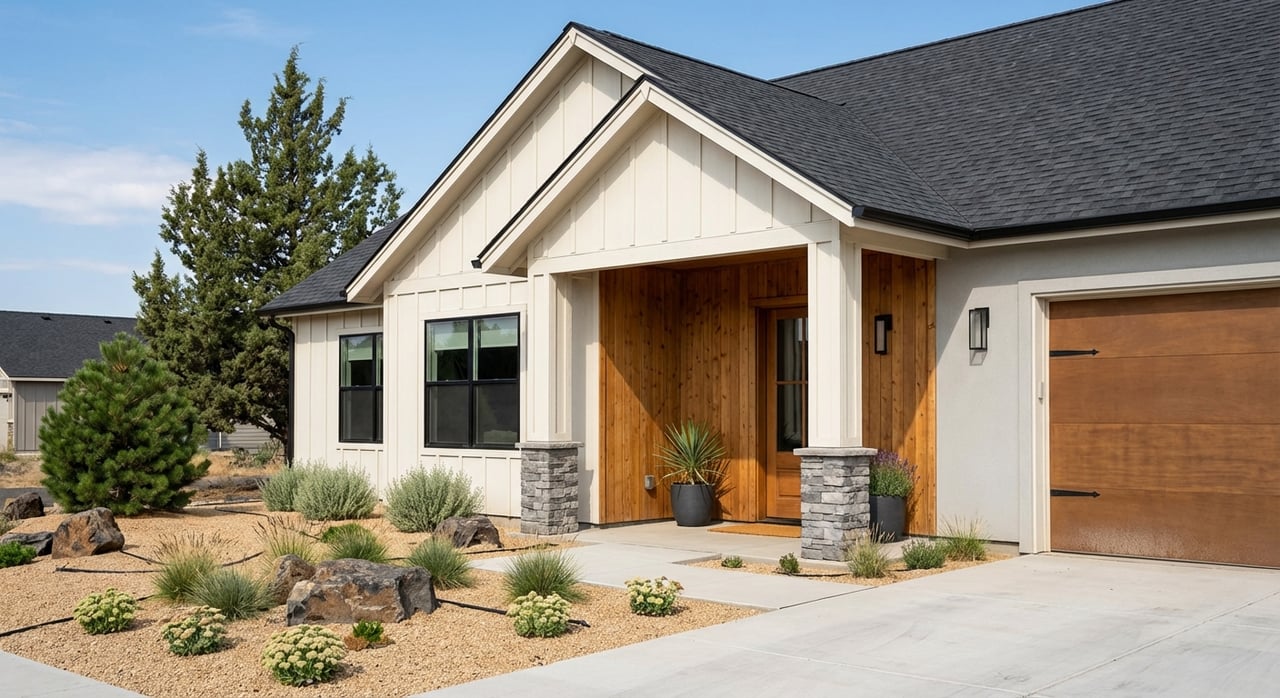
Thinking about selling your Spring Creek home but not sure where to start? You are not alone. Between Nevada disclosures, Spring Creek Association rules, and local water or septic details, it can feel like a lot. This step-by-step plan shows you exactly what to do, when to do it, and how to avoid delays so you can move with confidence. Let’s dive in.
Your step-by-step plan
Confirm timing and list date
Spring in northern Nevada often brings more buyers, longer daylight, and better curb appeal. National analyses point to a late spring bump for pricing and activity, so aim for clean-up and photography as the snow melts and the yard greens up. If you plan to target this window, build in a few weeks for repairs, inspections, and staging first. You can read more about seasonality in national data from sources like this guide on best times to sell.
Pull your Spring Creek Association packet
Buyers and some lenders will ask for current HOA documentation. Gather the Spring Creek Association (SCA) CC&Rs, rules, fee schedule, and recent meeting updates early. Start with SCA’s “new homeowner” resources to confirm assessment amounts and request the packet your buyer will need. You can find association information on the SCA site’s new homeowner page.
SCA also manages roads and architectural approvals. If you added fencing, outbuildings, or exterior changes, locate your Committee of Architecture (COA) approvals so title and buyer due diligence go smoothly. For road work or access updates that might affect showings, check SCA’s roads page.
Complete Nevada disclosures early
Nevada requires sellers to provide the Seller’s Real Property Disclosure (SRPD) covering systems, association status, well or septic, and known defects. Download the official form and instructions from the Nevada Real Estate Division’s disclosures page. If you discover a new issue after delivering the form but before closing, update your disclosure. The requirements live in Nevada law under NRS 113, so plan to deliver the SRPD on time per your contract and keep it accurate.
Verify water, sewer, or septic status
Parts of Spring Creek use regulated community water and sewer, while other areas use private wells and individual septic systems. Confirm what you have and gather proof. Start with SCA’s utilities guidance to understand which utility serves your area. If sewer capacity is limited and you receive a “no-capacity” notice from the utility, SCA outlines the next steps for individual septic permitting and county coordination. See SCA’s step-by-step Sewer and Septic Procedures.
Why this matters: buyers and lenders will ask. FHA, VA, and many conventional loans require documentation for wells and septic systems. Having clear, current records can prevent last-minute underwriting delays.
Order pre-list inspections and tune-ups
A seller-paid pre-listing inspection helps you avoid surprises and price with confidence. Industry experts outline several reasons this pays off: you can choose repairs on your schedule, disclose clearly, and reduce renegotiation later. Learn more about the benefits from the American Society of Home Inspectors’ article on pre-listing inspections.
In Spring Creek, consider targeted checks as well:
- Septic inspection and pump report or a sewer line scope
- Well water test for potability and common minerals
- HVAC service and filter changes
- Wood-destroying organism inspection if buyers or lenders may ask
Use your reports to decide what to fix now versus disclose and price for. For big items, consider documented repairs or a credit that keeps the deal moving.
Price with a local CMA
Aggregated websites often show different medians in early 2026, generally in the mid $300s. That range can swing based on lot size, manufactured vs site-built, views, and utility connections. Instead of relying on a single national estimate, ask your agent for a neighborhood-level Comparative Market Analysis tailored to your property type and condition. Key pricing levers here include condition, sewer or water connection status, recent SCA improvements that help curb appeal, and local buyer demand tied to the regional job base.
Prep for photos, marketing, and showings
First impressions drive clicks and showings. Focus staging on the living room, primary bedroom, and kitchen. Clear surfaces, edit furniture, and add warm, neutral accents. Professional photography and a simple virtual tour can broaden your reach with relocating buyers.
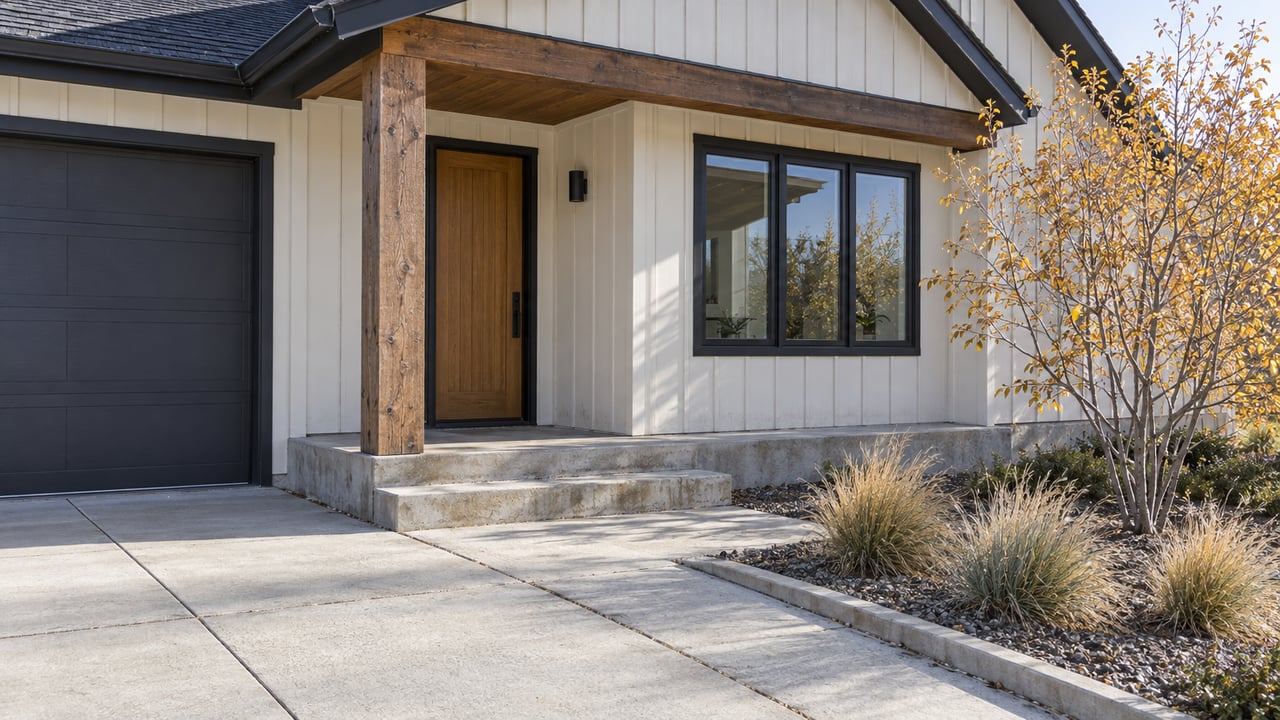
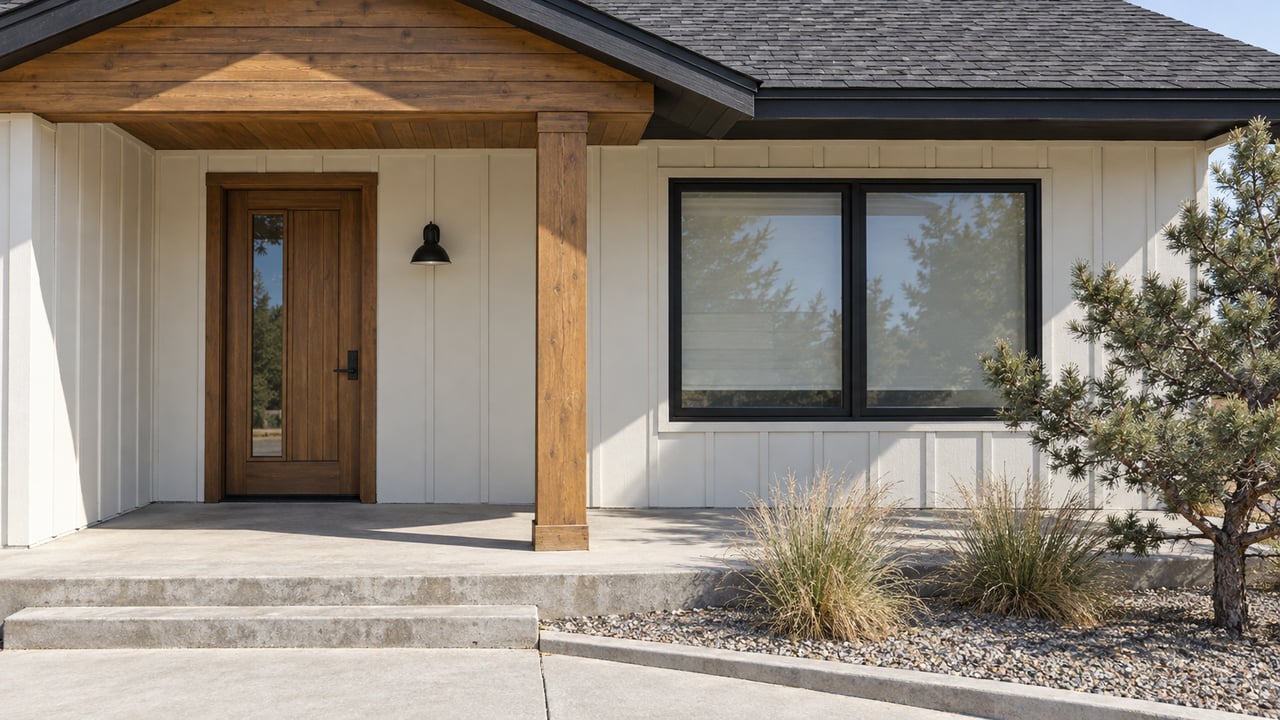
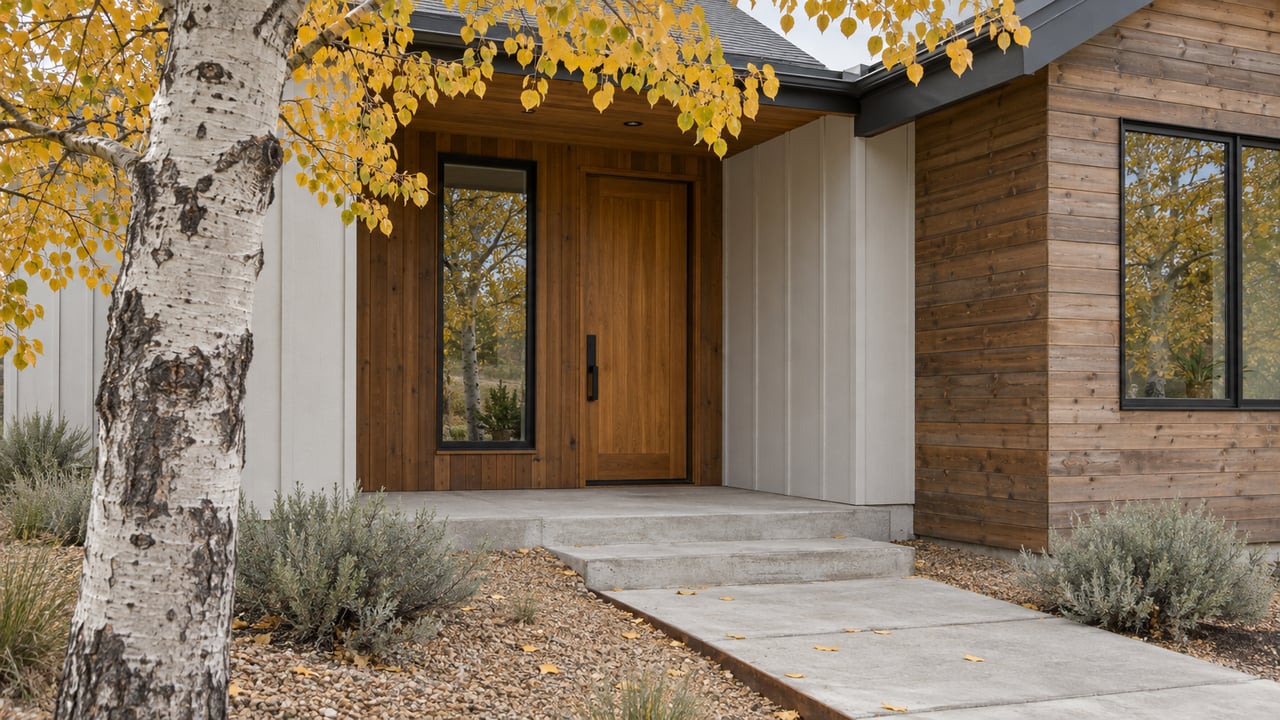
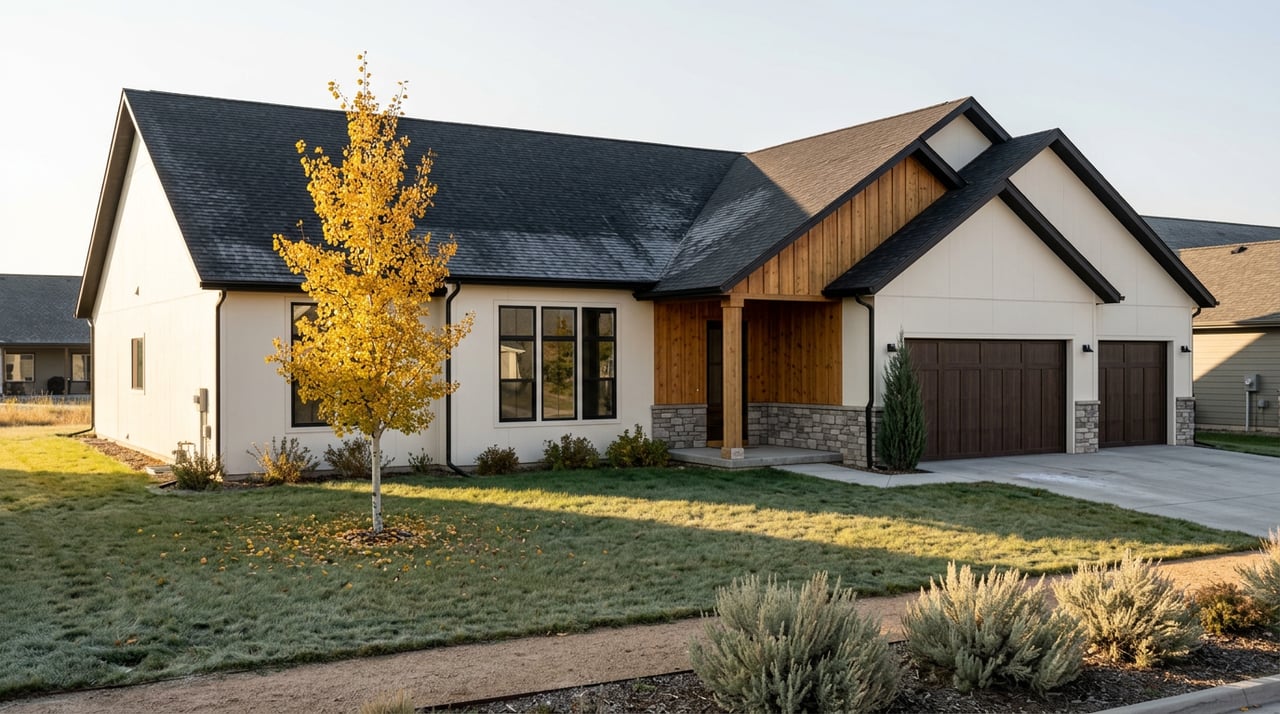
For curb appeal in our high-desert climate, tidy the driveway, control weeds, trim shrubs, repair fencing, and refresh house numbers and the mailbox. If the yard is not fully green yet, use clean hardscapes and a few healthy container plantings to add color. Check for any SCA road projects near your home that may influence timing for photography or access via the roads page.
Make showings easy. Declutter, depersonalize, and secure valuables. Try to be off-site during showings and allow flexible windows, including evenings and weekends, to capture commuting buyers.
Navigate offers and closing
Expect common contingencies
Most offers include financing, appraisal, and inspection contingencies. The inspection period is where repairs or credits are negotiated. Your pre-listing inspection gives you leverage because you already vetted the home and can point to work completed or priced in.
Understand taxes and closing costs
Nevada’s Real Property Transfer Tax is collected at recording. The state base rate is 1.95 dollars per 500 dollars of value. In many Nevada transactions, sellers customarily pay the transfer tax and the owner’s title policy premium, although every deal is negotiable. For a quick overview of typical practices by state, see this Laws and Customs reference. Your title company will prepare a closing statement that outlines fees, prorations, payoffs, and net proceeds.
Manage appraisal and loan risks
If the appraised value comes in low, you may need to renegotiate. Reduce risk by requesting strong pre-approval, realistic timelines, and larger earnest money. Keep well and septic documentation organized since many lenders require it. If your lot is affected by sewer capacity limits, follow the SCA procedures so any buyer using financing has a clear path to close.
Keep the timeline moving
Once you accept an offer, most financed transactions close in about 30 to 45 days, depending on the buyer’s loan and title work. Stay ahead of paperwork by gathering your deed, mortgage payoff info, SCA documents, recent utility or sewer receipts, permits, and your completed SRPD. Timely responses keep inspections, appraisal, loan underwriting, and title on track.
What your agent handles here
A strong local agent coordinates the entire process so you do not have to. That includes verifying SCA requirements, advising on pre-list inspections, building a property-specific CMA, staging and photography, and negotiating repairs, credits, and timelines. In Spring Creek, you also benefit from guidance on water and sewer documentation and the right list date for our weather and buyer flow.
Ready to sell with a clear, local plan and a polished presentation that attracts qualified buyers? Connect with Carla Bailey to map your timeline, pricing, and marketing strategy. Carla offers hands-on expertise in Spring Creek and Elko, builder-level insights, and bilingual service in English, Portuguese, and Spanish. Schedule a Free Consultation.
FAQs
What does the Spring Creek Association require from sellers?
- Buyers often request the SCA packet that includes CC&Rs, rules, fee schedule, and any assessment updates. Gather this early and pull COA approvals for any exterior changes to prevent closing delays.
How do I handle a property on septic in Spring Creek?
- Confirm your system type and condition, get a recent septic inspection and pump report, and collect permits. If sewer capacity is limited in your area, follow the SCA’s published steps for individual septic permitting and county coordination.
When is the best month to list in Spring Creek?
- Late spring commonly sees more buyer activity and stronger pricing. Aim for clean-up and photography as the snow melts so your yard, views, and exterior show at their best.
What seller costs are typical in Elko County?
- The transfer tax is often paid by the seller in Nevada and is calculated at 1.95 dollars per 500 dollars of value, and sellers commonly pay the owner’s title policy premium. Commissions and most fees are negotiable and appear on your closing statement.
How long does closing take after I accept an offer?
- Most financed sales close in about 30 to 45 days. Your timeline depends on inspection responses, appraisal scheduling, loan underwriting, and title or HOA document turnaround.
Can I sell while living in my home?
- Yes. Keep it show-ready by decluttering daily, setting up flexible showing windows, securing valuables, and stepping out during tours so buyers can focus on the space.