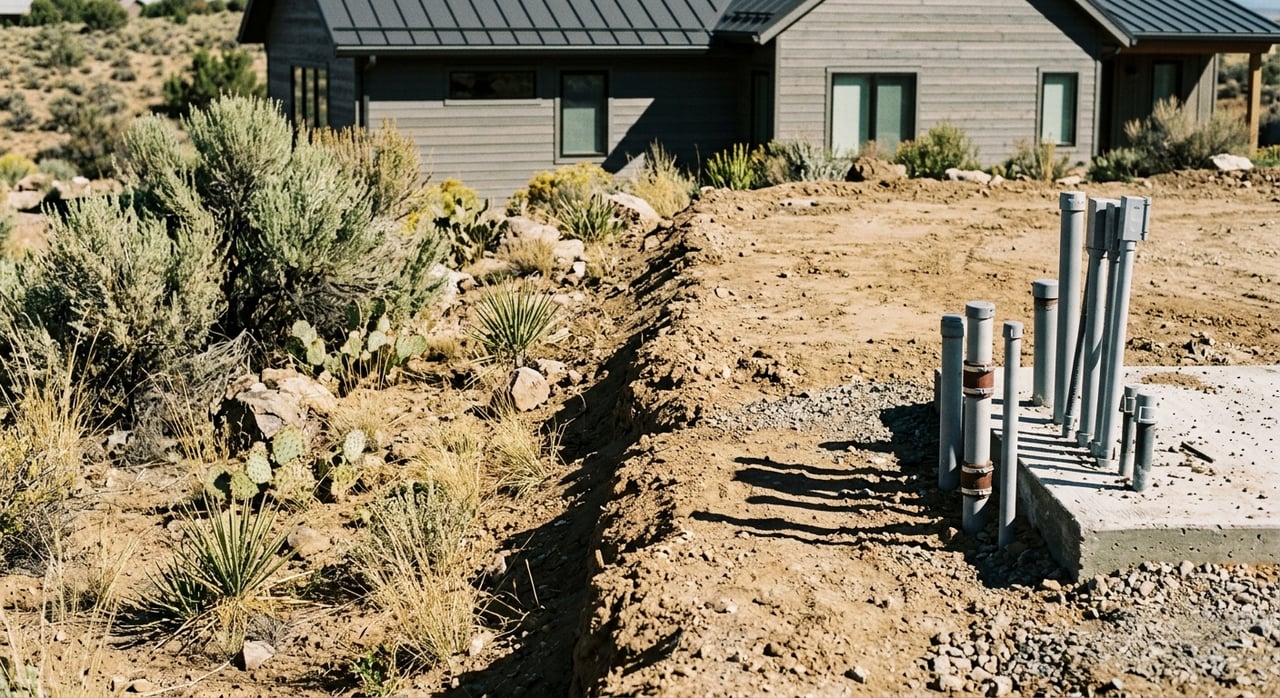
Buying land in Elko can feel like a smart move for your future, until you realize the real question is not how many acres you can get, but what those acres will actually let you do later. If you are thinking about building, holding, or possibly splitting land down the road, a little upfront research can save you time, money, and frustration. This guide will walk you through the key checks that matter most in Elko so you can move forward with more confidence. Let’s dive in.
Start With Future Use
When you buy land in Elko, your long-term plan should shape every part of your decision. A parcel that works for a future home may not work the same way for an investment hold, a later lot split, or a development plan.
Elko County’s planning forms make that clear. For example, zone-change applications ask for the current zoning, the zoning being requested, the intended use, and an explanation of access. That is a strong reminder that before you write an offer, you should be clear about what you want the property to support later.
Check Zoning Before You Commit
Zoning is one of the first filters for any land purchase. You want to know whether your intended use already fits the parcel’s current zoning or whether you may need county approval later.
If a rezoning is needed, the process is not casual. Elko County’s zone-change application requires supporting documents such as a legal description, current deed, map information, and owner affidavits, and incomplete applications will not be processed. The county also notes that nearby parcel owners may be notified by mail, which means public review can become part of your timeline.
Questions to ask about zoning
- What is the parcel’s current zoning?
- Does your future plan fit that zoning as-is?
- Would a zone change be required later?
- Could public review or neighboring-owner notification affect timing?
Understand Lot Split and Subdivision Rules
If you may want to divide the property in the future, do not assume that will be simple. In Elko County, lot splits, parcel maps, and full subdivision approvals are separate processes with separate paperwork and fees.
The county’s parcel-map application references NRS 278.461 and Elko County Code 5-2-5 and lists a $400 fee. The final subdivision-map application references NRS 278.330 through 278.353 and Elko County Code Title 5 and also lists a $400 fee. Both forms state that incomplete applications will not be accepted.
That matters because a parcel that looks flexible today may still require a formal review path later. If future division is part of your strategy, it is worth confirming that before your offer becomes firm.
Use GIS as a Starting Point
Elko County’s GIS portal is a helpful tool for early research. You can search by street address, parcel number, or owner name and view parcel details, road layers, imagery, measurements, plat maps, valuation, building data, and sales history.
Still, the county also says GIS data can change daily and is not intended for boundary resolution. In practical terms, that means GIS is a strong first step, but not the final word on exact property lines. If boundary accuracy matters, a survey is the better tool.
Verify Access Early
Access can make or break a land purchase. A parcel can look straightforward on a map and still have issues with legal access, easements, driveway approval, or road work.
This is especially important in Elko, where parcels may sit near public land, utility boundaries, or state roadways. Elko County planning forms ask applicants to explain access, which shows how central this issue is to future use.
When NDOT may be involved
If the parcel fronts a state highway, or if future work touches Nevada Department of Transportation right-of-way, permits may be required. NDOT states that occupancy or encroachment permits are needed for certain uses of state roadway right-of-way, including development work, utilities, and other activities, and no use is authorized until the permit is processed and approved.
If you expect to build later, install utilities, or create a new entrance, this is a smart question to check early. It is much easier to understand the access path before closing than after.
Confirm Water and Sewer Options
Water and wastewater planning should happen early, not after the deal is done. In Elko, the answer often depends on whether the parcel is inside city service areas or in a more rural setting.
Inside the City of Elko, the Water/Sewer Department is the practical starting point for availability and connection questions. For lots outside city-served areas, you may need to explore well and septic feasibility instead.
If the parcel will need a well
Nevada well rules are important for rural land buyers. The Nevada Division of Water Resources says every well drilled for the development of water must be drilled by a licensed well driller, and the driller submits a Notice of Intent before work proceeds.
The state also says that if a parcel is in a municipality’s service area, the State Engineer may require a letter from the municipality stating the parcel’s distance from water lines and whether hookup is required. That can become an important part of your due diligence if the lot sits near existing utility infrastructure.
For domestic wells, Nevada also notes that parcels smaller than one acre require approval from the Nevada Division of Public and Behavioral Health so the well can be properly separated from septic systems. The same state guide explains that domestic wells used for a single-family dwelling and related household uses do not require a water right if annual use stays within the statutory domestic-use limit.
If the parcel will need septic
Where public sewer is not available, Nevada regulates residential septic systems through its individual sewage disposal system program. The state says the process includes plan review, permits, inspections, and system approval.
For more complex or commercial onsite systems, the Nevada Division of Environmental Protection’s OSDS program applies, and plans must be designed by a registered Nevada professional engineer. For most buyers, the key takeaway is simple: septic feasibility is a technical check, not a box to assume later.
Know What to Review Before Removing Contingencies
Land purchases often need more careful due diligence than an existing home. Before you remove contingencies, make sure the parcel supports your future plan in a real, documented way.
A strong checklist includes:
- Current zoning and whether your intended use fits
- Recorded deed and any recorded map or plat
- Title report showing ownership, easements, restrictions, and liens
- GIS printout for preliminary parcel review
- Access details, including any easements or permit questions
- Water and sewer availability, or well and septic feasibility
- Utility confirmations or will-serve letters, if applicable
If future subdivision or development is part of the plan, Elko County’s final subdivision checklist specifically requires will-serve letters for water, sewer, solid waste, and other public utilities when applicable. That is another reason utility research should happen before you feel locked in.
Understand Escrow and Title in Nevada
Escrow is a normal part of a Nevada real estate purchase. According to the State Bar of Nevada, the escrow holder typically begins with a preliminary title search, identifies liens, receives funds and documents, records the necessary documents, and secures issuance of the title policy.
For land buyers, title review matters because a title report can disclose ownership, easements, restrictions, and liens. Those details can have a direct impact on your ability to access, improve, or build on the property later.
Title insurance is not legally required in every Nevada transaction, but the State Bar recommends it unless you have fully investigated the title condition and are willing to accept listed liens and restrictions. With land, that extra layer of protection can be especially valuable.
Plan for Two Timelines
Many buyers think only about the purchase timeline, but land often comes with a second timeline: future approvals. Closing on the parcel is one step. Building or improving it later is a separate process.
In the City of Elko, building regulations state that the building official will approve or reject applications within 90 days, and incomplete applications can expire after 180 days if they are not completed. That means your future build schedule may move on a different track than your land closing.
If you are buying now for later plans, it helps to think ahead about permitting, utility setup, and any zoning or mapping requirements. The more clarity you have upfront, the smoother your next phase can be.
A Smart Approach to Buying Land in Elko
The safest way to buy land in Elko is to focus on feasibility first. Price and acreage matter, but access, zoning, utilities, and future approval paths are what shape the property’s real value to you.
Whether you are planning to build a future home, hold land as an investment, or explore development potential, the goal is the same. You want to know what the parcel can realistically support before you move too far forward.
If you want local guidance as you sort through lots, acreage, or future building options in Elko County, Carla Bailey can help you evaluate land with your long-term goals in mind.
FAQs
What should you check before buying land in Elko for a future home?
- You should confirm access, current zoning, water and sewer availability or well and septic feasibility, and whether your planned use fits the parcel without additional county approvals.
Can you buy land in Elko now and build later?
- Yes, but you should first verify that the parcel can support your future build through access, utility or well and septic options, and any zoning or approval requirements that may apply later.
How do you research a parcel in Elko County?
- A good starting point is the Elko County GIS portal for parcel details, imagery, roads, and plat maps, along with the county’s official records search for recorded documents.
Do you need a survey when buying land in Elko?
- A survey is the better tool for exact boundary lines because Elko County states that GIS data is not intended for boundary resolution.
What happens if you want to split land in Elko County later?
- You should expect a separate county review process, such as a parcel map or subdivision application, each with its own paperwork, requirements, and fees.
When do utility letters matter for land in Elko?
- Utility will-serve letters may matter if you plan future subdivision or development, since Elko County’s final subdivision checklist requires them when applicable.